

Rewilding Finland is a nature conservation association founded in 2017 to promote an understanding of rewilding – the principle of nature conservation known as wildlife rewilding, and the realisation of wildlife rewilding projects in non-natural areas. Rewilding Finland works in partnership with the Rewilding Europe network.
Our aim is to set a new goal for nature conservation in Finland. We want to move from a traditional point of view focused on preserving nature to a direction focused more on development. We want to restore already lost ecosystems to their original splendour, especially in the case of meadow habitats.
Rewilding Finland seeks to restore nature’s own processes. This is particularly important now, as climate change is shifting climatic zones and threatening to accelerate the extinction of species even further. Fragmented and disappearing ecosystems do not provide sufficient habitats for endangered species.
Restoring habitats to their natural state requires the recovery of species that are endangered or have already disappeared from the wild. In particular, grassland habitats, which have been drastically reduced, need measures to prevent their typical species from becoming extinct.
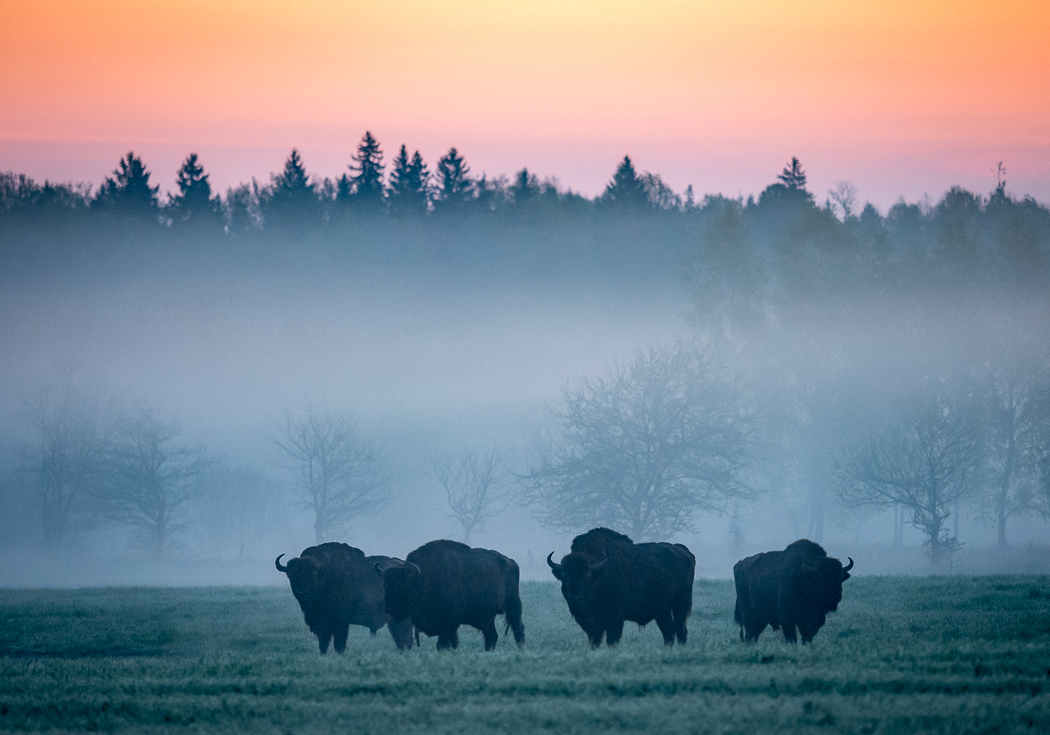
In order for the meadows to survive without constant care and mowing, they need winter-hardy grazing species such as wisents (European bison), cold-adapted wild horses or other grazing wildlife. As very little meadow habitat remains today, there is a need to convert low-yielding agricultural land back into wild meadowland.
What it’s all about
A new approach to conservation is taking hold in Europe: rewilding. This approach is slowly making its way to Finland, albeit rather cautiously. What exactly is rewilding all about? And what could be suitable for Finland – after all, we have plenty of wild nature left? Why do we need it here?
In recent decades, Finland’s nature has been pushed further and further away from settlements, roads and fields and fragmented into smaller and smaller fragments. Rewilding Finland wants to reverse this trend in Finland and bring about a marked increase in the size of nature areas and the diversity of species.
Rewilding Finland wants more space for nature and a greater diversity of large protected areas. Not just swamps and barren forests, but also lush meadows and deciduous forests. We want to make Finland’s nature the wildest and most fascinating. We strongly believe that this will also help to support the development of new wild-based livelihoods.
Why is rewilding now so topical?
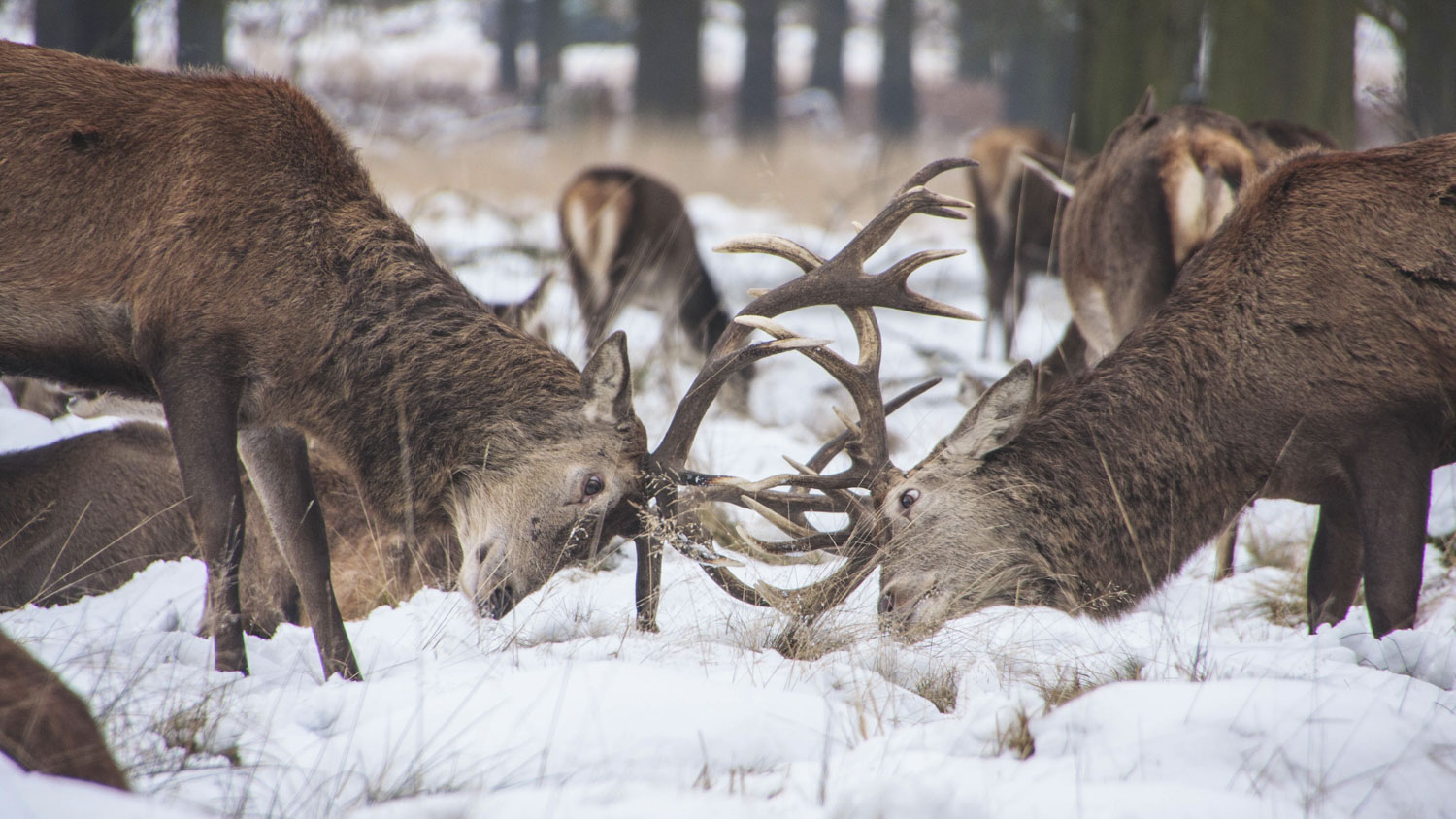
Rewilding is a new positive, forward-looking strategy in nature conservation. Strong urbanisation has increased people’s desire for wild nature. People’s appreciation of European nature and wildlife is growing. More and more people in Finland and elsewhere in the world want to experience authentic and indigenous European wildlife. People want to be able to observe animals in their natural habitat and enjoy the authentic experience of wildlife, beauty and proximity to wildlife, within the borders of Europe.
There is also a realisation that many large European species are on the brink of extinction. Some have already disappeared some centuries ago, such as the tarpan, the European wild horse, and aurochs, European wild cattle. New protected areas have now been created in Europe to reintroduce the European bison, or wisents, The animals have been released into reintroduction areas, some of which are land that has been released from agricultural use.
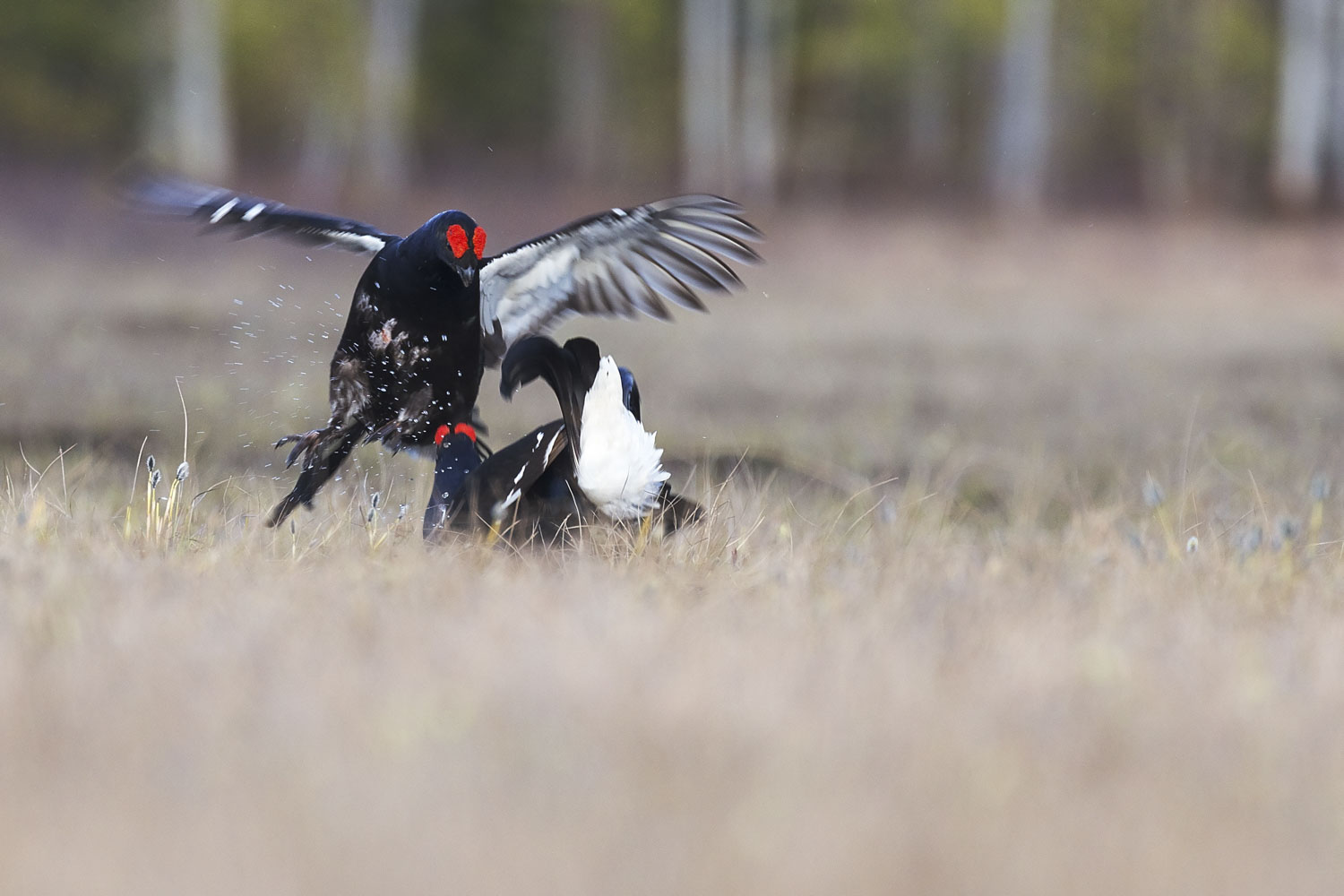
Wolves, bears, lynx and large birds of prey are also returning to their old territories in Europe. Wildlife tourism in Europe is on the increase. Finland has noticed this too: bear-watching tours sell out months in advance. Digital photography made nature photography an increasingly popular hobby for ordinary folk.
Rewilding Finland’s goals
1. Rewilding Finland aims to restore nature’s own processes. A healthy and sufficiently large ecosystem is better able to withstand the coming climate change. This requires the recovery of species that are endangered or have already disappeared. In particular, grassland needs measures to prevent the extinction of its typical species.
2. Rewilding brings a new, forward-looking and future-oriented perspective to nature conservation. Rewilding Finland wants to bring this different perspective from traditional nature conservation to Finland. Rewilding shifts the perspective from defensive fight to rebuilding and regenerating ecosystems. Species that have disappeared return to their old territories. As climate change progresses and climate zones shift northwards, species will also spread to new areas.
3. Many of Europe’s native species are endangered. Europes largest remaining land animal, the wisent, is rarer in the wild than the black rhinoceros in Africa. But not enough effort is being put into its conservation in Europe, and the species is scattered over small areas across Europe. Large animals such as wisents are often key species in their ecosystem, and their loss will lead to changes in the ecosystem as a whole, including the loss of many smaller species. It’s important to look after ecosystems as a whole to provide the right habitats for endangered species.
4. Rewilding offers declining rural areas the opportunity for economic regeneration and new livelihoods. Poorly productive agricultural land is well suited to wild regeneration projects. Recovering ecosystems and large grazing animals restored to the wild are attractive destinations for nature tourists.
Rewilding Finland – organisation

Aino Tuominen, Chair
Aino has a degree in engineering and a media degree in graphic design and works as a business analytics consultant. Aino has experience as a project manager and service designer. Aino’s interest in wildlife comes from her travels in Africa, Central Asia, Australia and South America.
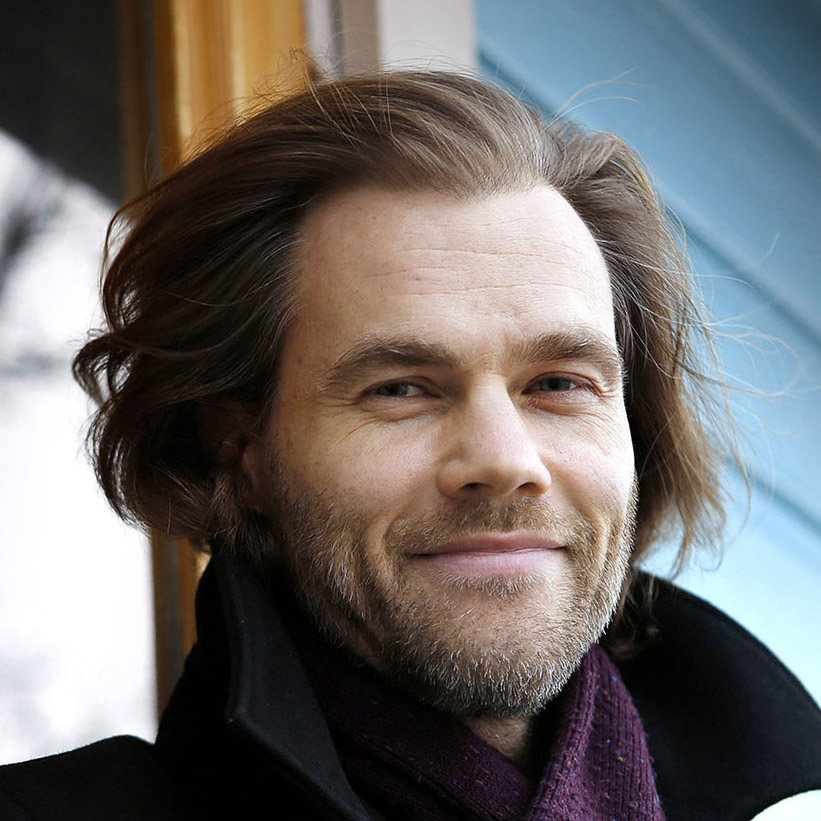
Joni Valkila, Vice Chair
Joni has a PhD in Political Science and is an experienced organiser. In addition to political science, Joni has studied environmental science at the University of Helsinki. Joni is also an acclaimed nature photographer and has photographed wildlife vistas in Poland.
Tuomo Wallenius, Treasurer
Tuomo is a farmer and beekeeper from Porvoo and also holds a PhD in Forest Ecology from the University of Helsinki. As a researcher, he has studied forest fires and the structure of natural forests in different parts of the northern hemisphere.
Join Rewilding Finland
Join us to help Finland rewild. You can become a member by filling in and sending the form below and paying the membership fee. We will add you to the membership list and to the association’s email list, so that you receive information about the association’s events and project progress by email.
You can select one of the following membership options:
- One-year membership fee: 20 eur
- Two-year membership fee: 35 eur
- Two-year membership: one year for students, unemployed, retired, under 18 and low-income: 10 eur
- Association members: 50 eur
You can pay the membership fee using the following bank details:
- Account: HOLVFIHH / Vault FI25 7997 7995 7488 73
- Beneficiary: Suomen Luonnon Villiinnytys ry (Rewilding Finland Ry)
- Reference number: 1009
- Amount: The amount corresponding to the membership you choose.
- Message: If the name of the payer is different from the name of the member, please enter the name of the member in the message field.
Please also enter your place of residence in the message field (information required by the Associations Act). By completing this form, you give your consent for the contact details you provide to be included in the association’s register of members
 Villin luonnon puolesta